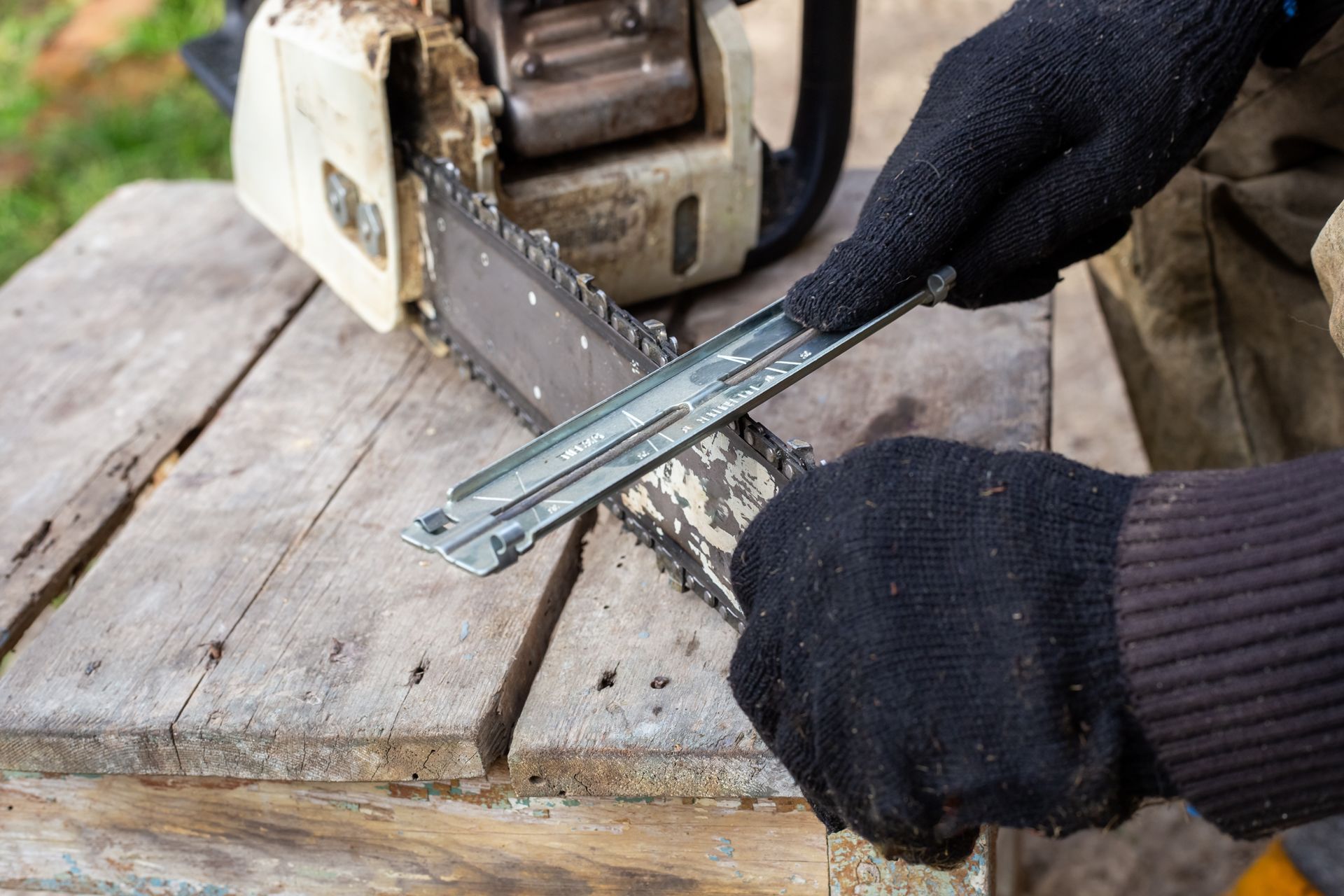
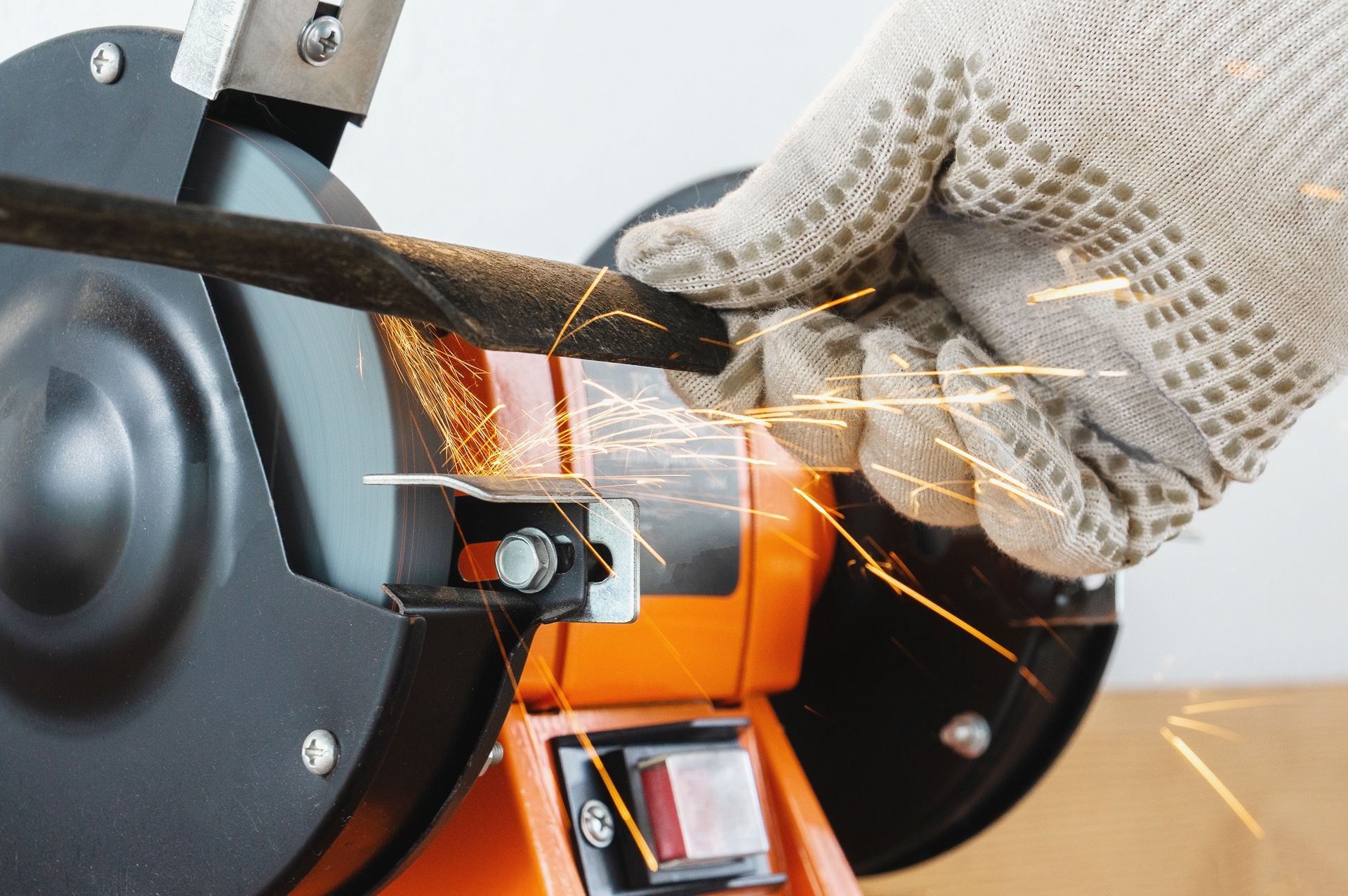
Cutting performance depends heavily on the condition of the blade or chain. Over time, repeated contact with grass, soil, wood, and debris dulls cutting edges, reducing efficiency and placing additional strain on equipment. A-1 Saw & Mower Service provides professional blade and chain sharpening in Taylorsville, UT, restoring cutting components to proper condition so tools perform safely and effectively.
Dull cutting surfaces do not simply reduce performance. They can cause uneven results, excessive vibration, overheating, and increased fuel consumption. In lawn care applications, dull mower blades tear grass rather than cutting it cleanly, which can stress turf and lead to discoloration. In wood cutting applications, a dull chainsaw chain forces the operator to apply more pressure, increasing wear on the engine and drive system. Precision sharpening addresses these issues by restoring the correct edge geometry and balance.
Lawn Mower Blade Sharpening
Lawn mower blades encounter rocks, sticks, sand, and other debris that quickly degrade their cutting edge. Even normal use gradually rounds the blade, reducing its ability to slice through grass efficiently.
01
Restoring a Clean Cutting Edge
Professional sharpening removes damaged material and recreates the original cutting angle specified by the manufacturer. Maintaining the correct angle ensures the blade cuts cleanly rather than tearing vegetation.
02
Blade Balancing for Smooth Operation
Sharpening alone is not sufficient. Removing material unevenly can cause imbalance, leading to vibration that stresses engine bearings and deck components. Balancing ensures the blade rotates smoothly at operating speed.
03
Inspection for Structural Damage
Blades can develop cracks, bends, or excessive wear that make them unsafe to use. Inspection during sharpening identifies these issues so replacement can be recommended when necessary.
Chainsaw Chain Sharpening
Chainsaw chains operate at extremely high speeds and encounter hardwood, knots, dirt, and occasional metal objects. Each cutter tooth must maintain a precise shape to cut efficiently and safely.
Restoring Cutter Tooth Geometry
Professional sharpening restores the proper angle and depth of each tooth. Maintaining consistent geometry across the entire chain ensures smooth cutting and reduces the likelihood of kickback.
Depth Gauge Adjustment
Depth gauges control how much material each tooth removes during cutting. If these components are too high, the chain will cut slowly; if too low, the saw may grab aggressively. Proper adjustment maintains safe, controlled cutting performance.
Uniform Sharpening Across the Chain
Inconsistent sharpening leads to uneven cutting and vibration. Ensuring all teeth are sharpened uniformly helps the chain track straight through the material and reduces stress on the guide bar.
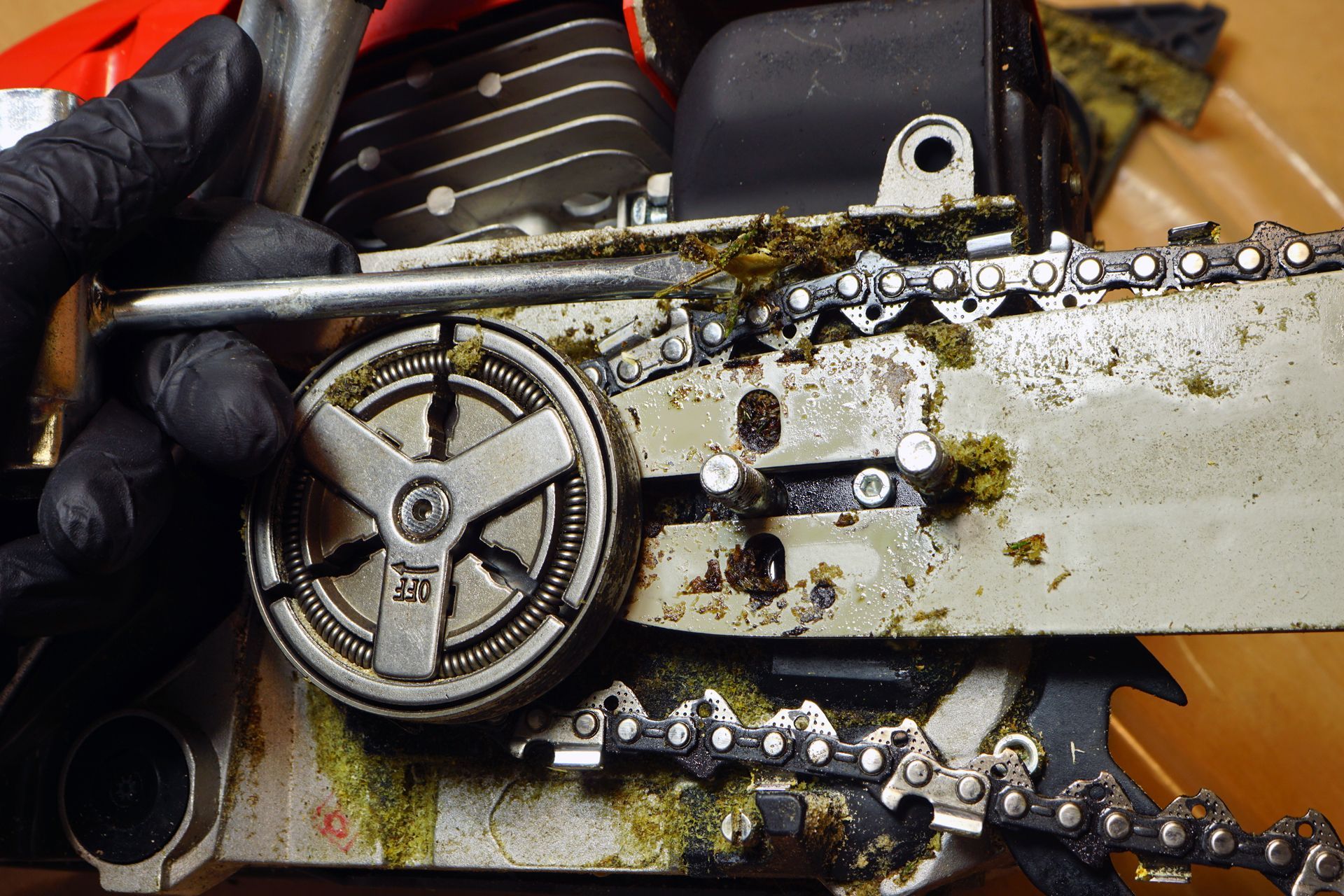
Guide Bar Maintenance and Service
While sharpening focuses on the chain, the guide bar also plays a critical role in chainsaw performance. Wear or damage to the bar can compromise cutting accuracy and safety.
Bar Groove Cleaning
Debris can accumulate in the bar groove, restricting chain movement and lubrication. Cleaning restores proper clearance and allows oil to reach moving parts.
Straightness and Wear Inspection
Warped or unevenly worn bars cause the chain to cut crookedly. Inspection ensures the bar remains structurally sound and aligned with the saw’s drive system.
Lubrication Channel Maintenance
Proper oil flow reduces friction and prevents overheating. Servicing the lubrication channels helps extend the lifespan of both the bar and chain.
Other Cutting Tool Sharpening
In addition to mower blades and chainsaw chains, many outdoor tools rely on sharp edges for effective operation. Maintaining these components improves performance and reduces physical effort during use.
Trimmer Blades and Attachments
Some trimmers use metal blades for heavy vegetation. Sharpening restores their ability to cut through dense material without overloading the engine.
Hedge Trimmer Blades
Hedge trimmers depend on precise alignment and sharp edges to produce clean cuts on shrubs and bushes. Dull blades can crush plant material rather than slicing it.
Specialty Outdoor Cutting Tools
Various landscape tools incorporate cutting edges that degrade over time. Servicing these components ensures continued effectiveness and safety.
Benefits of Professional Sharpening Over DIY Methods
Sharpening requires specialized equipment and knowledge to maintain correct angles and balance. Improper sharpening can weaken the blade or chain, leading to premature failure or hazardous operation.
Precision Grinding Equipment
Professional tools remove material evenly and maintain consistent geometry. This level of precision is difficult to achieve with handheld files or improvised methods.
Preservation of Component Strength
Excessive grinding or overheating during sharpening can compromise metal hardness. Controlled sharpening preserves structural integrity while restoring sharpness.
Time Efficiency and Reliability
Professional service ensures the component is ready for immediate use without trial-and-error adjustments.
Local Blade & Chain Sharpening in Taylorsville
Outdoor equipment in Taylorsville is exposed to dusty soil conditions, rocks, and seasonal debris that accelerate dulling of cutting edges. Local sharpening services help maintain equipment performance throughout the year by addressing wear caused by these environmental factors.
A-1 Saw & Mower Service provides precise blade and chain sharpening in Taylorsville, UT for lawn mowers, chainsaws, trimmers, and other cutting tools. By restoring proper edge geometry, balance, and alignment, sharpening improves efficiency and reduces strain on equipment.
If your equipment is producing rough cuts, excessive vibration, or requires more effort to operate, professional sharpening can restore performance and extend the usable life of critical cutting components.